
How to Increase the Efficiency of an Extruder?
2025-08-11
In the world of plastic and rubber extrusion, true efficiency gains come from both technical upgrades and process improvements. I've often seen companies overlook simple changes that can make a big difference.
To increase extruder efficiency1, you need to optimize both equipment and process. Key strategies include using wear-resistant screw and barrel materials, fine-tuning temperature and pressure settings2, implementing advanced feeding systems, and ensuring regular maintenance3 and operator training. These actions reduce downtime, improve melt quality, and boost throughput.
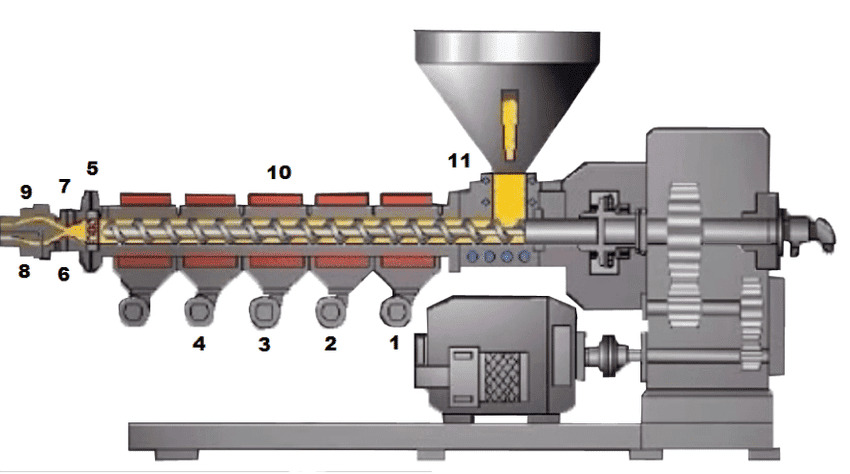
For example, upgrading to a bi-metallic barrel and a wear-resistant screw can greatly extend equipment life and cut down on downtime caused by wear. This is very important for materials that are highly filled or abrasive. I have seen mid-sized cable extrusion plants increase output by 20% just by making their screw profile better and controlling temperature better. This made the melt pressure stable and reduced surging without buying a new production line.
Also, adding an automatic feeder and a precise gravimetric control system to a film extrusion setup not only cut down on wasted raw material but also allowed for a smoother, continuous production flow. This raised overall output. In my work, regular maintenance of screws and barrels, along with training operators on machine setup and troubleshooting, has consistently brought clear improvements in product quality, extrusion speed, and cost efficiency.
What is the Efficiency of an Extruder?
Many people ask me what "efficiency" truly means for an extruder. It's more than just how fast it runs.
The efficiency of an extruder refers to how effectively it converts raw plastic material and energy into a high-quality finished product. It is measured by factors such as melt uniformity, energy consumption per kilogram of output, consistent throughput, and minimal material waste or downtime.
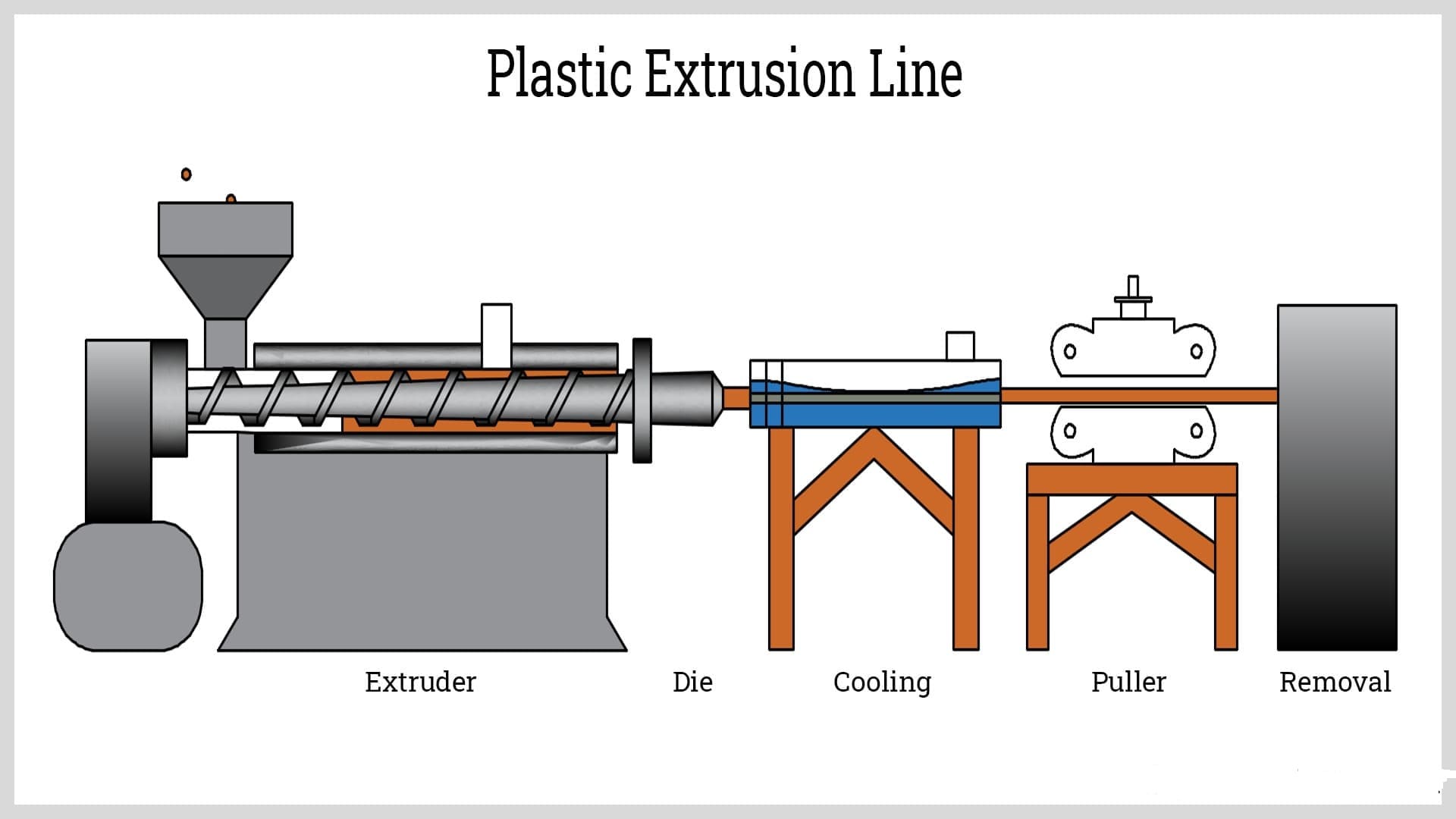
Think of it like cooking. You want good food, not just fast cooking. An efficient extruder makes good quality product, uses less energy, and has fewer problems.
Here's how I break down extruder efficiency for my clients:
| Efficiency Metric | Description | Why it matters to me and my customers |
|---|---|---|
| Throughput / Output Rate | The amount of plastic product produced per unit of time (e.g., kg/hour or lbs/hour). | Productivity and Profit: Higher throughput means more product in a shorter time, directly impacting sales and revenue. However, it should not come at the cost of quality. My goal is to maximize throughput with quality. |
| Energy Consumption | The amount of energy (electricity) used per kilogram of product produced. This includes power for heaters, motors, and cooling. | Operational Costs: Reducing energy consumption directly lowers operating expenses. An efficient screw and barrel design (like Dongxu's) can significantly reduce the power needed for melting due to better shear heating and heat transfer. |
| Melt Quality / Homogeneity | How uniform the molten plastic is in terms of temperature, viscosity, and mixing of additives. | Product Performance: High melt quality ensures uniform dimensions, consistent color, and optimal physical properties in the final product. Poor melt quality leads to defects, rejections, and material waste. |
| Material Yield / Waste Rate | The percentage of raw material converted into usable product, minimizing scrap, off-spec material, or startup waste. | Cost Control: Every gram of wasted material costs money. Efficient operation, stable melt, and quick startups reduce waste, directly impacting profitability. |
| Uptime / Downtime | The percentage of time the extruder is running production versus being shut down for maintenance, repairs, or changeovers. | Reliability and Profit: Maximizing uptime is crucial. Frequent breakdowns or long maintenance periods mean lost production and revenue. Durable screw and barrel components from Dongxu contribute directly to higher uptime. |
| Process Stability | How consistently the extruder operates without fluctuations in melt pressure, temperature, or output rate. | Consistent Product Quality: Stable processing leads to uniform products, reducing rejects and the need for constant operator adjustments. It's a sign of a well-tuned system. |
When I consult with a client, I always analyze these metrics. For example, a customer thought their extruder was efficient because it ran fast. But we found their energy consumption was very high, and they had a lot of waste due to surging. By addressing those issues with a better screw design from Dongxu, their true "efficiency" (profitability) greatly improved. It's about getting more good product out with less cost and fewer headaches.
What Causes Extruder Surging?
This is one of the most common problems I help solve. Surging is like a hiccup in the extrusion process.
Extruder surging is characterized by irregular, cyclic fluctuations in melt pressure, temperature, and output rate, leading to inconsistent product dimensions and quality. It is primarily caused by issues such as unstable feeding, poor screw design for the specific material, inadequate barrel temperature control, and uneven friction between the plastic and the barrel or screw.
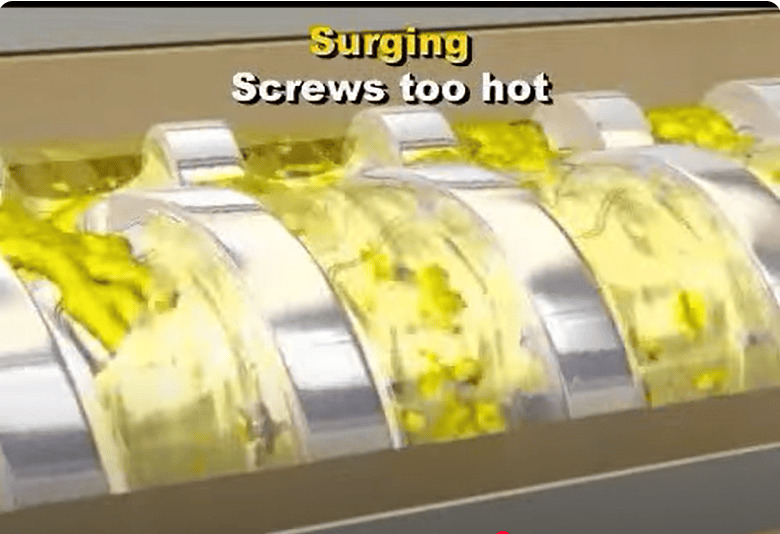
Imagine a pump trying to push water, but sometimes it pushes strong, other times weak. That's surging. It makes your product uneven.
Here are the main culprits I look for when a customer complains about surging:
| Cause | Explanation | How I help my customers fix it |
|---|---|---|
| Unstable Feeding | Inconsistent supply of plastic pellets from the hopper to the screw's feed throat. Can be due to bridging in the hopper, inconsistent pellet size, or issues with the feeder itself. | I recommend checking the hopper for blockages and ensuring the material is free-flowing. Sometimes, a feeder system upgrade (like a gravimetric feeder) is necessary for precise input. |
| Incorrect Screw Design | If the screw's compression ratio or channel depths are not optimized for the specific plastic or throughput, it can lead to inefficient melting and inconsistent conveying. | This is where Dongxu excels. I would analyze the polymer and recommend a custom screw profile—perhaps a deeper feed zone or a different compression ratio—to ensure stable melt and flow, directly addressing the surging problem. |
| Poor Temperature Control | Inaccurate or fluctuating barrel temperatures. If a zone is too cold, the plastic won't melt properly. Too hot, and it can degrade or become too slippery, leading to inconsistent melt. | I advise calibrating temperature sensors and checking heater bands. Sometimes, the issue is uneven heating or cooling within the barrel itself, which a high-quality Dongxu barrel with proper heating zones can resolve. |
| Friction Imbalance | The balance between the friction of the plastic on the barrel wall (which helps convey) and the friction on the screw surface (which melts) is off. If the plastic spins with the screw too much, it won't move forward consistently. | This often points back to the screw and barrel condition. A worn barrel or screw, or an incorrect screw surface finish, can mess with friction. My team at Dongxu can re-engineer the screw and barrel surfaces to optimize this friction balance. |
| Melt Instability in Metering Zone | If the final metering section of the screw cannot maintain consistent pressure, or if there's excessive backflow over the screw flights. | Sometimes, a longer metering section or a screw with improved sealing flights can help maintain stable melt pressure. We might even suggest a different screw material for better wear resistance here. |
| Contamination / Degradation | Build-up of degraded material in the barrel or on the screw, or foreign particles, can disrupt smooth flow. | I stress regular purging and cleaning routines. For chronic issues, a screw and barrel inspection is needed to check for 'dead spots' or wear, which may require repair or replacement of components from Dongxu. |
Surging is frustrating because it wastes material and time. My goal is to find the root cause, which often comes back to the "marriage" between the screw and barrel. By providing the right Dongxu component or advising on process adjustments, we can usually stop the surging and keep production smooth.
How to Improve Extrusion Process?
Improving the extrusion process means making everything work better together, not just one part. I look at the whole system.
To improve the extrusion process, focus on optimizing raw material consistency, upgrading to precision-engineered screw and barrel assemblies, implementing robust temperature and pressure control, maintaining equipment regularly, and providing continuous operator training. These actions enhance melt quality, reduce waste, and increase throughput.
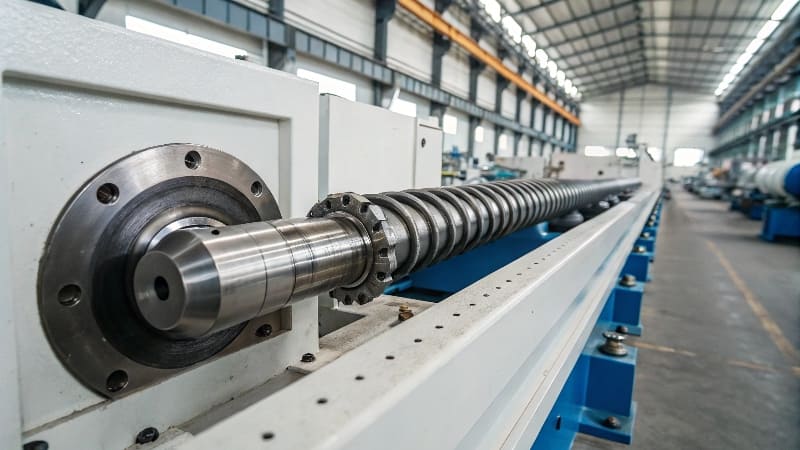
It's like tuning an orchestra. Every instrument needs to play its part well, and they all need to be in harmony.
Here’s my approach to improving extrusion processes for clients:
| Area of Improvement | Specific Actions I Recommend | Expected Benefits for My Customers |
|---|---|---|
| Raw Material Management | Consistent Feed: Ensure uniform pellet size, shape, and bulk density. Use accurate gravimetric feeders for precise dosing. Drying: Thoroughly dry hygroscopic materials. | Reduced surging, consistent melt quality, fewer defects (like bubbles or splay), lower material waste. Easier to maintain stable process. |
| Screw & Barrel Optimization | Material Selection: Choose wear-resistant (e.g., bi-metallic, powder-alloy) and corrosion-resistant materials for screws and barrels, especially for abrasive or corrosive plastics. Design: Match screw profile (compression, mixing, venting) to the specific polymer and desired output. | ** |
Explore this link to discover proven strategies that can significantly enhance your extruder's performance. ↩
Understanding these settings can lead to better melt quality and increased throughput in your production. ↩
Regular maintenance can prevent costly downtimes and ensure consistent product quality in your extrusion operations. ↩